

My new start-up and what we're doing with AI at Dinero
I talk about our little start-up Intus and the work with AI at Dinero. From Finn the support bot to the vision of a virtual CFO helping small businesses run a better business.
Thorborgs Dagbog · Episode 95 · 6 May 2025
Listen to the episode
Watch the video episode
An early lift, exercise and coffee in the bathtub
It’s 6 May. The sun is shining from an almost cloudless sky, I’m sitting in the bathtub and there’s coffee in my cup. Life is bloody lovely in many ways.
I got up extra early because Holger was going to Flensburg with his class. My job was to drive him to school just before six so he could catch the bus. Since I was up anyway, I might as well exercise. And afterwards I could reward myself with an hour or so in hot water.
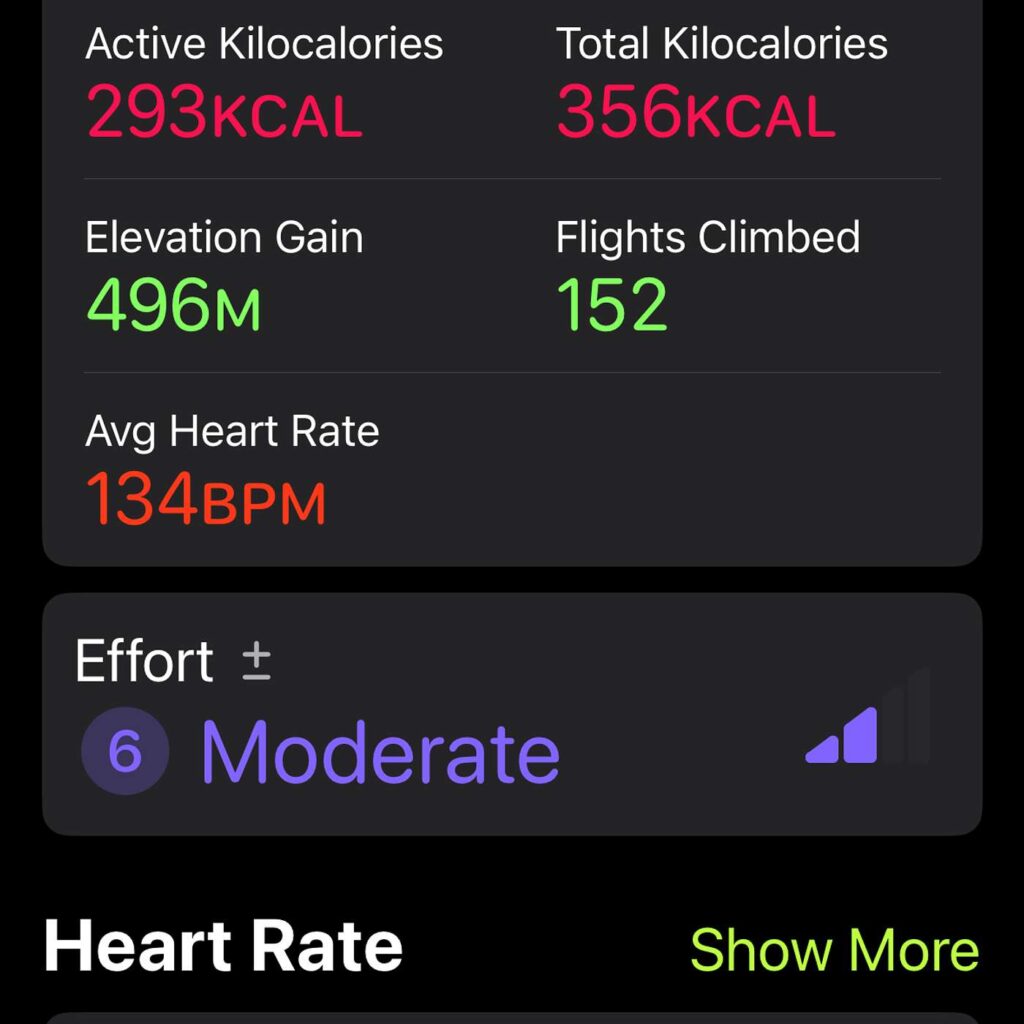
I’ve got a new stair climber I’m incredibly happy with. It’s a big model like the ones you see in gyms. I knew someone who knew someone and got a good deal. At full price, one costs as much as a small car, so it was good I didn’t have to pay that.
I started with a smaller model but was allowed to swap it for the big one. It isn’t the colour screen that makes the difference for me. The steps are bigger, and it simply feels better to exercise on. Some days I do intervals; other days I do longer, gentler sessions. I can feel my fitness has improved.
I also went to the cardiologist yesterday for a check-up and got feedback I was happy with. Among other things, I monitor my blood pressure at home and use the readings together with my doctor. It’s something I’ve personally become much more aware of. For me, getting some numbers on the table and taking them seriously has made a difference.
Intus: A little start-up offering a cheaper entry point to health
I’ve actually been involved for around a year in a little start-up called Intus. I own 10 per cent, and it isn’t a business I spend a lot of time on day to day. But we’ve been working on making it easier and cheaper to get an overall view of some of your health data.
We’ve now reached our first small service. During this test phase, you can order a programme with blood tests, some other tests and a report with medical guidance. At this point, the price is 1,500 kroner including VAT. That’s a test price, and the project is still under development.
We don’t have a perfectly polished product with every single sentence absolutely spot on. It’s a small business, and we’re using the first programmes to learn and improve the solution. The idea is to give people some guidance on diet, exercise and things that may be worth discussing further with professionals.
I’ve chosen a more extensive and expensive programme with professionals myself, which I’m happy with. I also spend money on various supplements. Those are my choices and experiences, and it quickly becomes expensive. Not everyone wants to or can spend that much money on it.
That’s why I find it exciting to try to create a cheaper entry point. Of course you can start with your own doctor. Our idea is to bring some measurements together and get medical help to understand them in a programme more people can afford. That’s what we’re testing with Intus.
It’s a bit like the thinking we’re working with at Dinero: how do we give more people access to something that has otherwise been expensive or hard to get? At Intus, it’s about an overview of your health. At Dinero, it’s about helping small business owners understand their business better.
AI in support: People should choose for themselves
We’re about to reach 100,000 businesses in Dinero. That isn’t why I’m talking about AI here. I’d rather give you an insight into how we use the technology so you might get ideas for your own business.
I split it into two areas. Internal means the tools we use ourselves to work better. External means what customers get access to. Let’s start with the internal side.
We’ve had an AI solution in support for a while. We’ve changed how we greet customers so they have more choice about whether to talk to the bot or a person. After that change, the proportion of enquiries handled by the bot has, from memory, fallen from around 52 per cent to around 35 per cent.
I’m actually comfortable with that. We shouldn’t force paying customers to use the bot if they’d rather have a person. I think more will choose it again as it improves. But it needs to make sense for them. Personal help from a bookkeeper is part of what you pay for in our Pro solution.
We also track satisfaction with the help. As I remember the latest figures, human support is around 95 on a scale from zero to 100, and the bot around 88 or 89. I think that’s really impressive. It isn’t just about getting fewer enquiries through the door. People also need useful help.
The next thing we want to test is letting people talk to our support bot Finn on the phone. One of Visma’s companies in Spain has worked on it, and we’re setting up a number for a trial here.
Imagine calling and saying: good morning, Finn. I’m here trying to send an invoice. What do I do? Then you’re guided through it in ordinary language. If you don’t understand a step, you can ask again, just as when you talk to ChatGPT.
Perhaps it will help people with dyslexia. Perhaps it’s useful when you’re on the move and just want an answer without typing back and forth. We don’t know yet. That’s why we test it and see whether customers actually want to use it.
More lines of code don’t mean better work
The developers use AI tools too. ChatGPT, Claude and various Microsoft products are among those I hear about. Our chief technology officer estimates that work has become around 20–25 per cent more efficient.
That’s an assessment, not a precise measurement in the same way as in support. You can’t just count lines of code and conclude that more lines mean greater productivity. Good code can do more with less. So putting one correct number on it is difficult.
But the direction is clear to us. The tools help, and I expect them to help even more. Whether that eventually becomes a factor of two or three, I don’t know. It’s an expectation of the possibilities, not something I can promise.
Marketing similarly uses AI for text, images and lots of other tasks. That’s why we’re maintaining the hiring freeze we introduced at the start of the year. I struggle to imagine that we need to keep adding people to do more.
In support, we imagine we can gradually reduce numbers through natural turnover. Many colleagues are part-time students. Every summer, some graduate and move on to full-time jobs. Then we can choose not to refill all the positions. That’s the model we’re working with.
From accounting software to help running a business
The other part is what I find even more exciting: what AI can do for customers. Very few people become self-employed because they love doing accounts. I bloody well understand that. The less time you need to spend on administration, the better.
But the accounts contain a lot of knowledge about your business. Every time you send an invoice or record a receipt, something goes in that might help you make a better decision. We want Dinero to use that knowledge more actively.
Here are some of the ideas we’re working on. We’ll start testing some soon; others are further away. These are plans and brainstorming, not a list of features everyone can already use.
One idea is to let you talk to your own accounts. Who are my best customers? Which industries do I make the most money from? How does this year’s revenue compare with last year’s? Make a chart of the last three years and show the costs alongside it.
You should be able to ask questions in the way you already know from ChatGPT, but based on your business’s own numbers. The next step could be letting it help with actions. Create an invoice for Pers Landhandel with these hours and products. Help me send a reminder for an unpaid invoice.
We’re also working towards letting your own AI agents work with Dinero through an API. Then other programs can retrieve or submit information as part of a workflow. That opens up something much bigger than just typing questions into a box.
A virtual CFO for businesses that can’t afford one
We call the vision a virtual CFO. We came up with that name around ten years ago. The technology wasn’t ready then, but the dream was the same: to give small businesses some of the insight big businesses have a finance director and analysts to provide.
A CFO doesn’t just make sure the accounts are in order. They also help the business use the numbers. What’s happening to cash flow? Where are costs too high? Which customers and markets should you prioritise? The small business owner normally has to figure it all out alone.
We already have an example of the direction in our credit assessment. When a user creates a customer, a warning may appear if there’s reason to be careful about selling on credit. That feature has been running for several years. It helps with something at the moment you actually need it.
That’s the approach I want to expand. I’m not dreaming of big, thick reports nobody reads. I’m dreaming of small, relevant insights that appear during your day and help you run your business better.
Another avenue is comparisons with anonymised groups of businesses. We have accounting data from many businesses, including businesses no longer active. The idea is to use the groups to provide industry insights. You shouldn’t be able to look up a specific competitor and get their information.
This is an area that needs to be properly clarified, including with our lawyers. I’m brainstorming possibilities. If an idea can’t be implemented legally and responsibly, of course it won’t be released as a feature.
Imagine you want to start as a joiner. Could we help you with an initial budget based on the costs similar new businesses typically have? Vehicle, tools, rent and insurance. Then you’d have a better starting point for planning and talking to the bank.
Or you already have a business and want to understand why others do better. Perhaps they spend more on marketing. Perhaps it looks as though you pay a lot for insurance, so you should get more quotes. That doesn’t mean two policies automatically provide the same cover. But it could give you a reason to examine your agreement.
On the sales side, another idea could be starting with your best customers and helping you find others like them. Which customers do you actually make money from? And who might be relevant to contact next? Those are the sorts of questions a busy business owner rarely has time to analyse properly.
Better businesses also mean better lives
My ambition is for more small businesses to be competitive. To reduce costs, get better control of cash flow and find more sales. If it works, I hope fewer will have to close and more owners will have a better everyday life.
That doesn’t have to mean everyone building a big company. Perhaps it means more family holidays, less worry or being able to afford some experiences. That’s enormously valuable too. And perhaps some of them will one day build one of the big businesses Denmark will live off.
I also think there are talented people who decide against becoming self-employed because the administration seems overwhelming. Tax, VAT, accounting and everything else. If we can remove some of the hassle and make getting started easier, perhaps more will dare to try.
That sounds very idealistic, but of course we’re also a business. We’re part of Visma, which expects growth and a better bottom line. With many customers in Denmark, an important way forward is creating more value for the customers we already have.
So some future features may also cost extra. I don’t yet know what the model will be. My example of a customer earning more and giving back a small part of that value is just a thought. It isn’t a pricing plan. In the short term, much of this is about getting ideas out, testing and learning.
I need to get out of the bathtub and off to Dinero. I’m excited like a little kid. I’m so proud of my employees and partners and what we’ve built together. Now we have an opportunity to do something we’ve dreamed of for a long time and help a lot of people with their businesses. It’s bloody hard not to get excited. Have a fantastic day.